About Osteopathy
What Is Osteopathy?
Osteopathy is a natural health care that treats everything from muscles and bones to internal organs – if you can present to the clinic, we can help! It focuses on the body’s ability to heal when there is appropriate alignment and when muscles, bones, joints, and connective tissues move together in balanced motion.
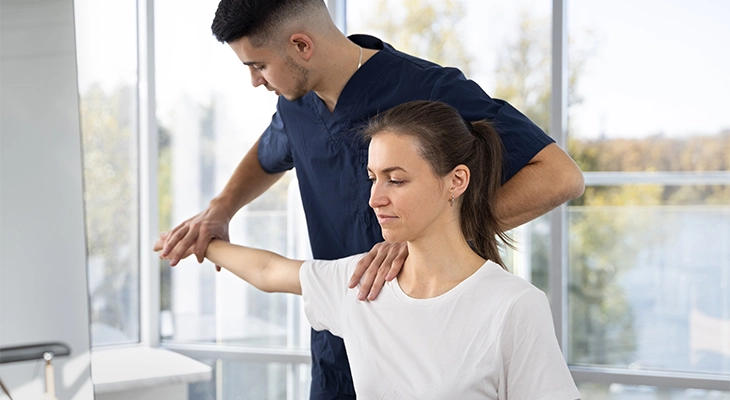
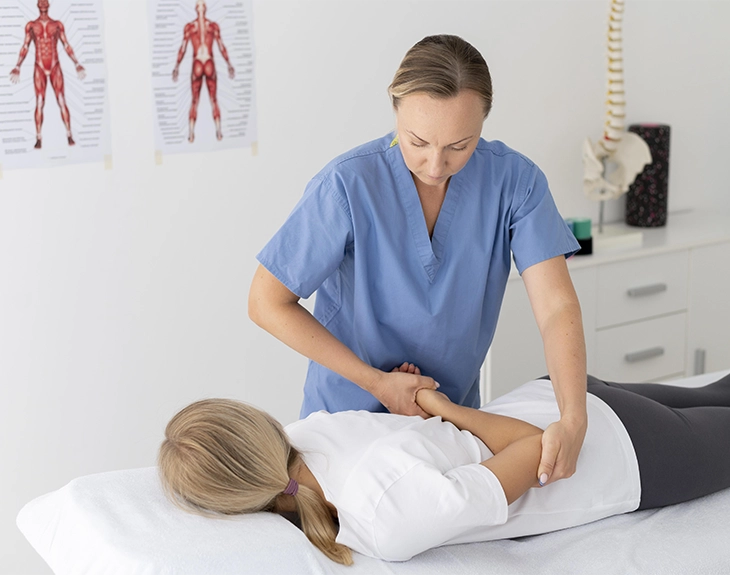
Osteopaths use a variety of gentle manual treatment techniques, including stretching, mobilization, and manipulation, to restore balance, reduce pain, and increase mobility and well-being.
A Brief History of Osteopathy
The practice was founded in the late 1800s by Dr. Andrew Taylor Still, an American physician who believed many symptoms resulted from imbalances in the musculoskeletal system.
Frustrated by the limitations of the medical treatments available, he created a new form of therapy that viewed the body as a single unit, rather than individual symptoms.
Over the years, osteopathy has adapted and become a formidable, evidence-based model of care used the world over to help millions of people ease pain, rehabilitate from injuries and enhance quality of life.
Principles and Philosophy of Osteopathy
Osteopathy is based on a series of fundamental principles which are followed in every treatment:
- The mind is connected: The body is a whole; all of the pieces are connected, and a problem in one area can affect another.
- The body has an inherent ability to heal itself: With proper support, it can regain its own health and balance.
- Structural and functional are intertwined: a well-aligned structure supports normal function, while misalignment can lead to pain and disease.
- Treatment is holistic: Osteopathy considers physical, emotional, and environmental influences when treating patients.
These are some of the basic principles of osteopathic assessment and treatment, focusing on wellness rather than just symptomatic relief.
How Osteopathy Differs from Physiotherapy, Chiropractic, and Massage Therapy
There is some overlap between osteopathy and other manual medicine disciplines, but their philosophies and practices are distinct.
Osteopathy vs. Physiotherapy
Osteopathy vs. Chiropractic
Osteopathy vs. Massage Therapy
The Osteopathic Approach to Care
Each osteopathic treatment commences with an in-depth health and physical examination. The osteopath will assess and identify imbalances, restrictions, and tensions, and develop a specific treatment plan.
Through gentle manual therapy, movement cues and lifestyle guidance, osteopathy is designed to assist the body’s natural processes—so patients can move better, feel better and live life without limits.